7 Costly Landscape Mistake You Do
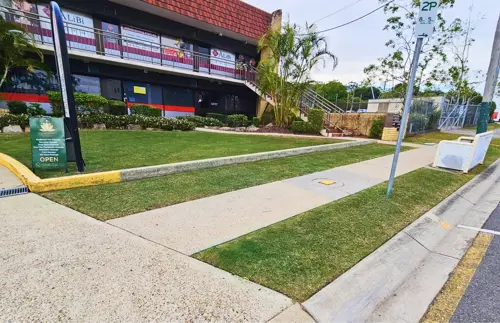
Creating a beautiful yard is one of the best ways to boost your home’s curb appeal and outdoor enjoyment. But even with the best intentions, it’s easy to make mistakes that can waste time, money, and effort. Whether you’re a DIY enthusiast or a new homeowner, avoiding these common landscaping errors can save you from future frustration — and help your outdoor space thrive.
Let’s look at seven costly landscaping mistakes and how you can avoid them.
1. Planting Without a Plan
Many homeowners get excited about improving their yard and start planting right away — without a plan. Unfortunately, random plant placement often leads to overcrowded spaces, awkward layouts, and maintenance headaches later.
How to Fix It:
Start with a simple plan. Sketch out your yard and decide where you want trees, shrubs, flower beds, and pathways. Consider how sunlight, shade, and water flow affect each area. A clear layout will help you create balance, flow, and function in your design — and prevent wasted effort down the road.
2. Choosing the Wrong Plants for Your Climate
It’s easy to fall in love with exotic flowers or tropical trees at the nursery, but not every plant thrives everywhere. Using plants unsuited to your climate can lead to poor growth, constant watering, and costly replacements.
How to Fix It:
Research plants that are native or well-adapted to your local environment. Native plants require less water, fertilizer, and care — and they’re more resistant to local pests and weather conditions. Your landscape will look beautiful and be easier to maintain.
3. Ignoring Soil Health and Drainage
Healthy soil is the foundation of any great landscape. If your soil is too compacted, dry, or nutrient-poor, your plants won’t reach their full potential. Poor drainage can also lead to standing water and root rot.
How to Fix It:
Before planting, test your soil to determine its composition and pH level. Mix in compost or organic matter to enrich it and improve drainage. If your yard tends to hold water, install proper drainage solutions like French drains or dry creek beds to direct excess water away from plant areas.
4. Overcrowding Plants
When new plants look small, it’s tempting to plant them close together for a fuller look. But as they grow, they compete for sunlight, water, and nutrients — resulting in stunted growth and unhealthy plants.
How to Fix It:
Always follow the spacing guidelines on plant labels. Give your plants room to grow to their mature size. This not only improves airflow and reduces disease risk but also ensures your landscape looks balanced as it matures. If you want instant color or coverage, use annuals or ground cover to fill gaps temporarily.
5. Forgetting About Maintenance Needs
A landscape is not “set it and forget it.” Some homeowners choose high-maintenance plants or elaborate designs without considering the upkeep required. Over time, lawns become overgrown, weeds spread, and hardscapes lose their charm.
How to Fix It:
Plan your landscape according to your lifestyle. If you’re busy, choose low-maintenance options like native shrubs, perennial flowers, and drought-tolerant plants. Schedule simple maintenance routines — like pruning, weeding, and fertilizing — to keep everything looking fresh. Consistent care saves you from bigger problems later.
6. Neglecting Mulch and Edging
Skipping mulch or edging may seem minor, but these details play a huge role in keeping your landscape tidy and healthy. Without mulch, soil dries out quickly, weeds spread easily, and plant roots become stressed.
How to Fix It:
Apply a 2–3 inch layer of organic mulch (like bark or wood chips) around your plants. It retains moisture, regulates soil temperature, and prevents weeds. Define garden edges with stones or borders to create clean lines and prevent grass from creeping into flower beds. These simple touches instantly make your yard look polished and well-kept.
7. Ignoring the Big Picture
Sometimes, homeowners focus on small details — like one flower bed or patio — without considering how the entire landscape connects. This can make the yard feel disjointed or incomplete.
How to Fix It:
Think about your outdoor space as a whole. How does the front yard flow into the backyard? Do your pathways, lighting, and plants complement your home’s architecture? A cohesive design brings harmony, improves curb appeal, and increases your home’s overall value.
As a final result Landscaping mistakes are common — but the good news is they’re easy to fix with a bit of planning and attention. Start by creating a thoughtful design, choosing the right plants, and maintaining your yard consistently. These simple steps will save you money and effort while ensuring your outdoor space stays beautiful year-round.
Remember: a great landscape isn’t just built — it’s grown thoughtfully over time.